- Overview
- Trip Outline
- Trip Includes
- Trip Excludes
- Gallery
- Reviews
- FAQ
The Lemosho Route
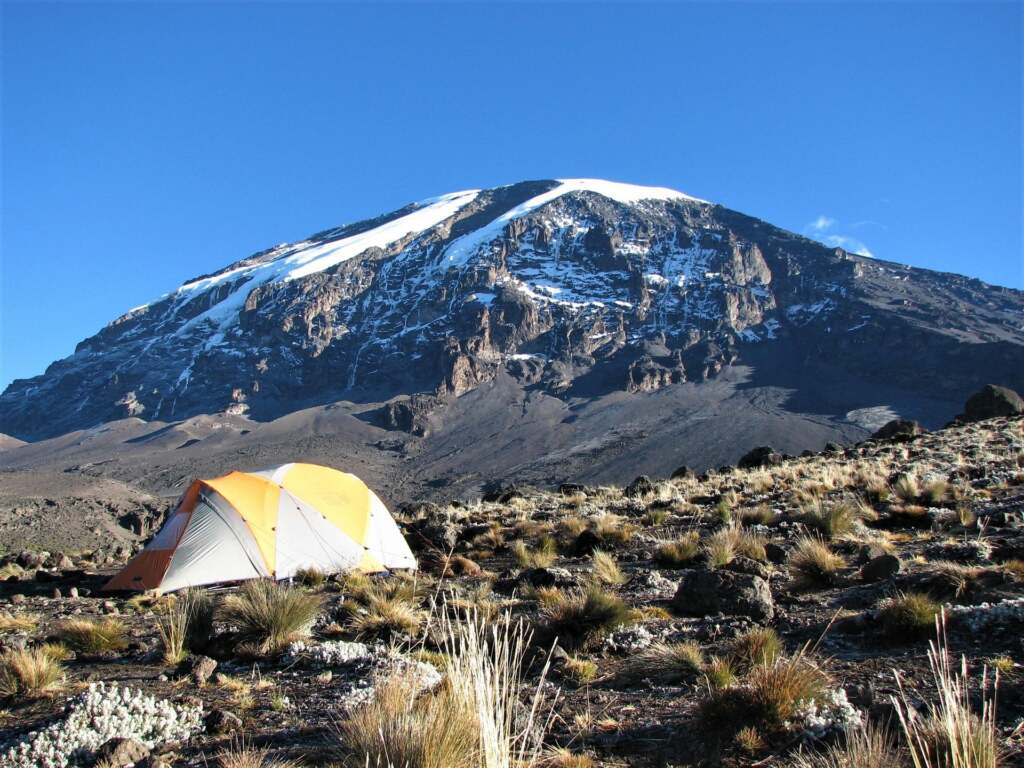
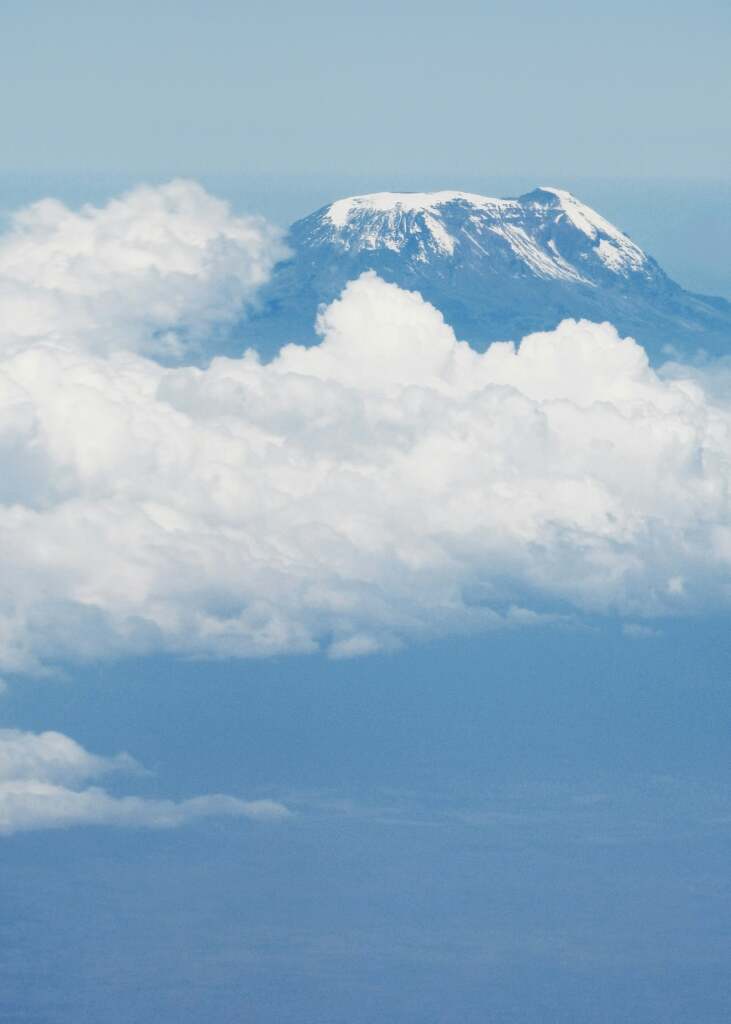
The Lemosho Route is widely considered to be the best route on Mount Kilimanjaro. Not too long ago, there were only two main routes used to climb Kilimanjaro – the Marangu (Coca Cola) route and the Machame (Whiskey) route. But as Tanzania’s tourism industry flourished, the Kilimanjaro Park authority created more trails to Africa’s highest peak. Lemosho, a relatively new route, is preferred by reputable operators due to its beauty, remoteness, and success rate. In short, it maximizes the chances that a climber will reach the summit, and enjoy the experience overall. The Lemosho route can be done in as little as six days (five nights) on the mountain.
DAY 1: Arrival at the Airport
Upon arrival at Kilimanjaro or Arusha Airport, your private driver-guide will meet you and transfer you to your accommodation for dinner and overnight. Later, your safari guide will join you for a detailed briefing and equipment check in preparation for your climb.
DAY 2: Arusha (1,400m) – Lemosho Gate (2,150m) – Big Tree Camp (2,800m)
Hiking time: ~3 hours | Habitat: Rainforest
After breakfast, drive about 2.5 hours to Londorossi Gate where registration is completed and supplies distributed. Enjoy a hot lunch at the gate before starting your 3-hour trek through pristine rainforest, home to Colobus monkeys and rich birdlife. On arrival at Big Tree Camp, porters will set up tents, prepare washing water, and your chef will serve dinner. Night temperatures can drop to freezing, so be prepared!
DAY 3: Big Tree Camp – Shira Camp 1 – Shira Camp 2 (3,810m)
Distance: 18 km | Hiking time: 8–10 hours | Habitat: Moorland
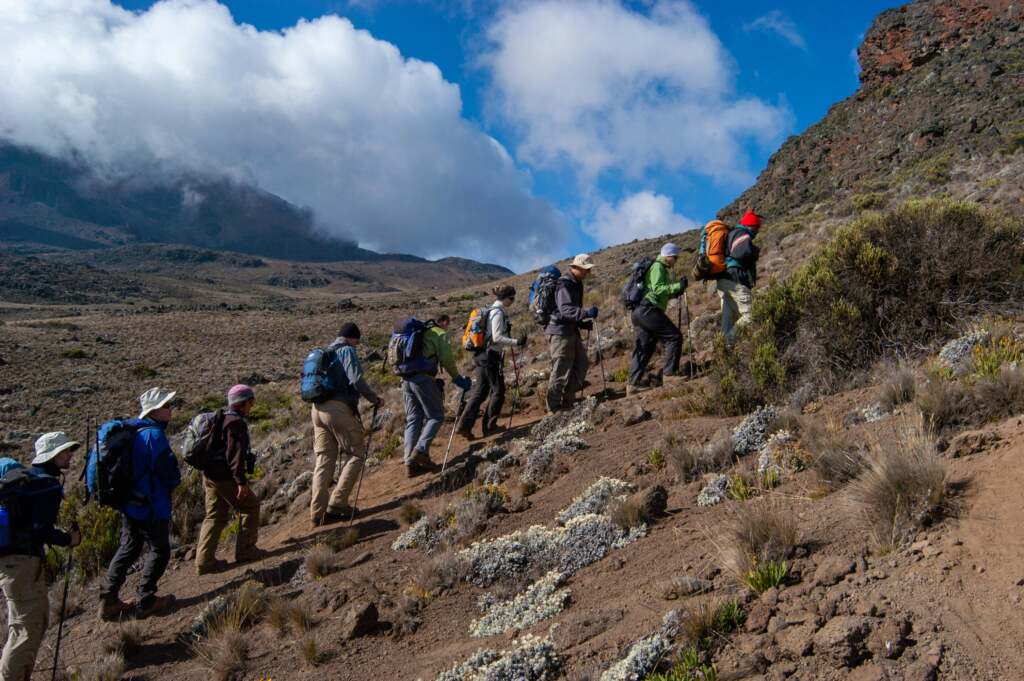
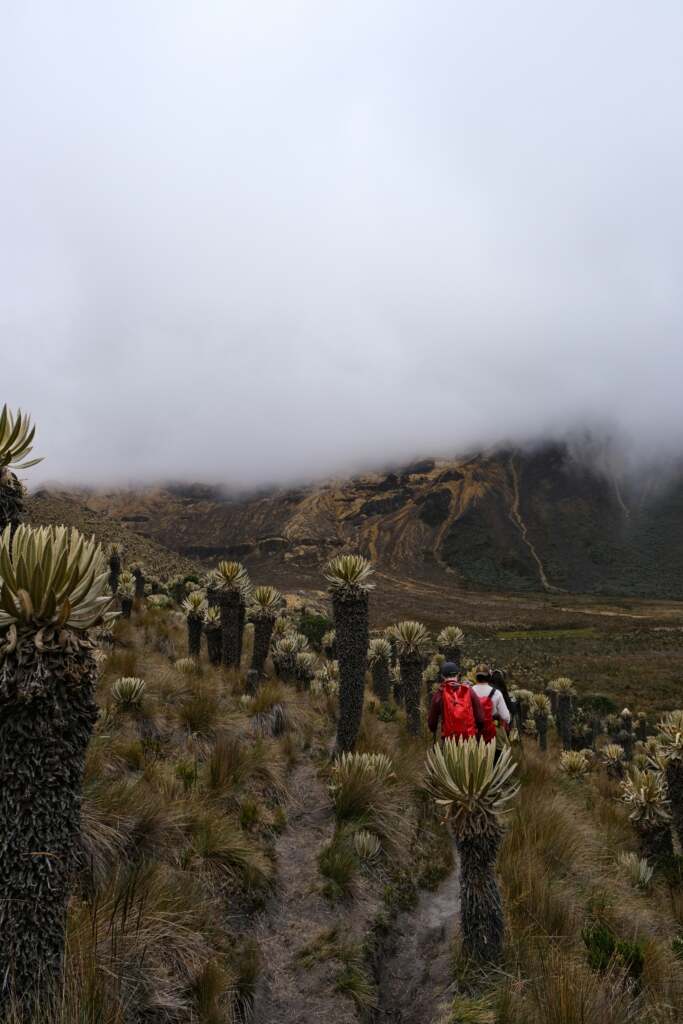
Today’s hike takes you from the forest into open moorland, with rolling hills, streams, and volcanic formations draped in lichens. Reach Shira Ridge for stunning views of Kibo, then continue across the plateau to Shira 2 Camp, set in meadows beside a stream.
DAY 4: Shira Camp 2 – Lava Tower (4,640m) – Barranco Camp (3,960m)
Distance: 10 km | Hiking time: 6–8 hours | Habitat: Semi-desert
Ascend gradually toward Lava Tower, known as the “Shark’s Tooth.” At 4,640m, this is a key acclimatization point before descending to Barranco Camp at 3,960m. The descent helps your body adapt, and the camp offers striking views of Kibo’s southern glaciers. Dinner and overnight at Barranco Camp.
DAY 5: Barranco Camp – Karanga Camp (3,995m)
Distance: 7 km | Hiking time: ~4 hours | Habitat: Semi-desert
After breakfast, tackle the iconic Barranco Wall. Though steep, no technical skills are required, and your guide will assist where needed. Pass the Kissing Rock and traverse ridges before descending into the Karanga Valley. After crossing the last water point, you’ll reach Karanga Camp for dinner and rest.
DAY 6: Karanga Camp – Barafu Camp (4,667m)
Distance: 2 km | Hiking time: ~3 hours | Habitat: Alpine desert
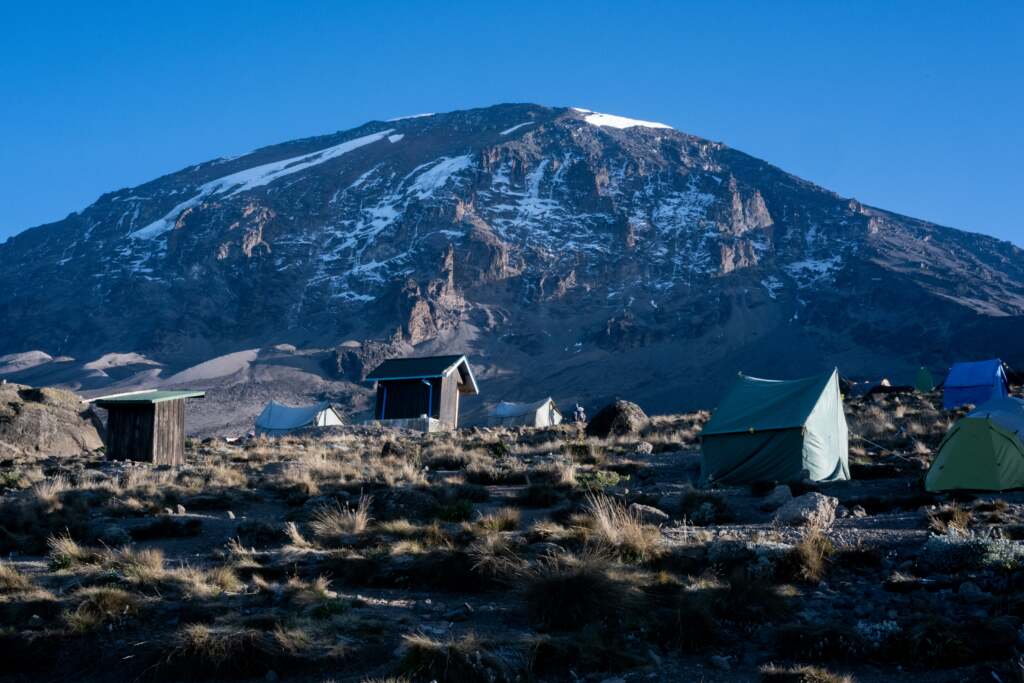
Continue your ascent through dry, rocky alpine desert to Barafu Camp. From here, the summit path is visible, and you’ll enjoy panoramic views of Mawenzi Peak. After an early dinner and final preparations, head to bed early for your summit push.
DAY 7: Barafu Camp – Uhuru Peak (5,895m) – Mweka Camp (3,100m)
Distance: ~14 km | Hiking time: 12–14 hours | Habitat: Scree, ice, forest
At around 11:00 PM, begin your final ascent with tea and biscuits. Trek through scree in darkness toward Stella Point (5,757m), often the toughest section. Witness a breathtaking sunrise before continuing 1 hour along the rim to Uhuru Peak, the highest point in Africa. After celebrating briefly at the summit, descend to Barafu for rest and lunch, then continue down to Mweka Camp in the forest zone. Dinner and overnight at Mweka Camp.
DAY 8: Mweka Camp – Mweka Gate (1,980m)
Distance: ~2 km | Hiking time: ~3 hours | Habitat: Forest
Enjoy your final breakfast on the mountain before a short hike down through lush rainforest to Mweka Gate. Here you’ll sign out, receive your summit certificate (green for Stella Point, gold for Uhuru Peak), and celebrate with your crew. Transfer to Arusha or Moshi for a hot shower, dinner, and overnight—or directly to Kilimanjaro Airport for your onward flight.
What’s included?
- 1st Night accommodation on arrival.
- All camping equipment (including tents, mattress, sleeping bags, & pillows)
- private mountain guide
- private chef
- porters
- trekking poles
- first aid kit
- rescue fees
- portable toilet
- Kilimanjaro National Park Fees & camping fees
- All Government Tax.
What’s not included?
- Other trekking gears except trekking poles
- Tips
- Personal items (souvenirs, travel insurance, visa fees and other personal items)
Success rates vary by route and duration:
Short routes (5–6 days): 50–65%
Longer routes (7–9 days): 80–95%
Routes like Lemosho and Northern Circuit offer the highest success rates due to better acclimatization.
The best times are during the dry seasons:
January to mid-March: Clear skies, colder conditions
June to October: Most popular with stable weather
Rainy seasons (April–May and November) are less ideal but still possible.
Related Trips
There are no reviews yet.