Overview
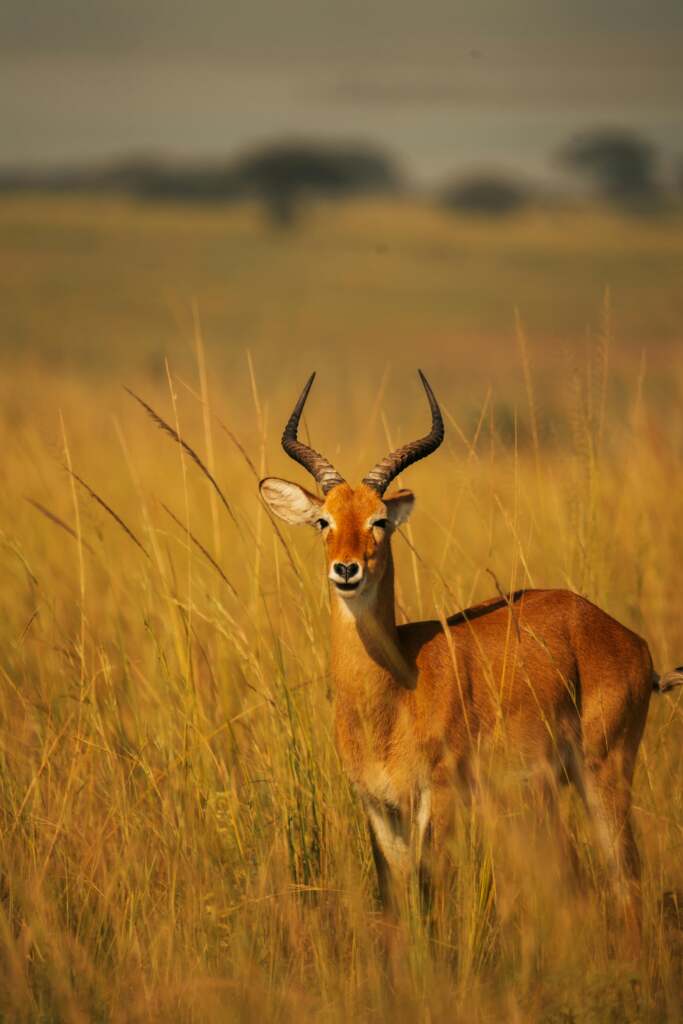
Serengeti National Park is Tanzania’s most famous safari destination and one of the most iconic wildlife reserves in the world. Covering approximately 14,763 km², the park is known for its endless plains and extraordinary biodiversity. It is globally renowned for hosting the Great Migration, where over 1.5 million wildebeest, along with zebras and gazelles, move in search of fresh grazing.
History
Established in 1951, Serengeti is one of Africa’s oldest national parks and a UNESCO World Heritage Site. It has played a major role in wildlife conservation and ecological research.
Wildlife & Nature
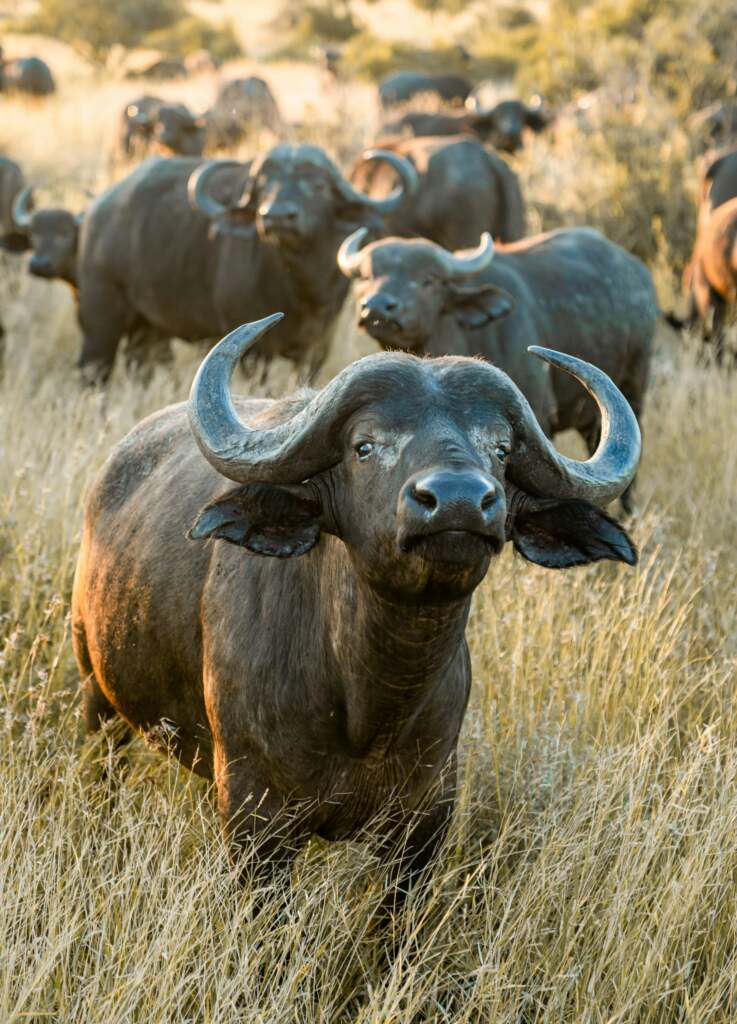
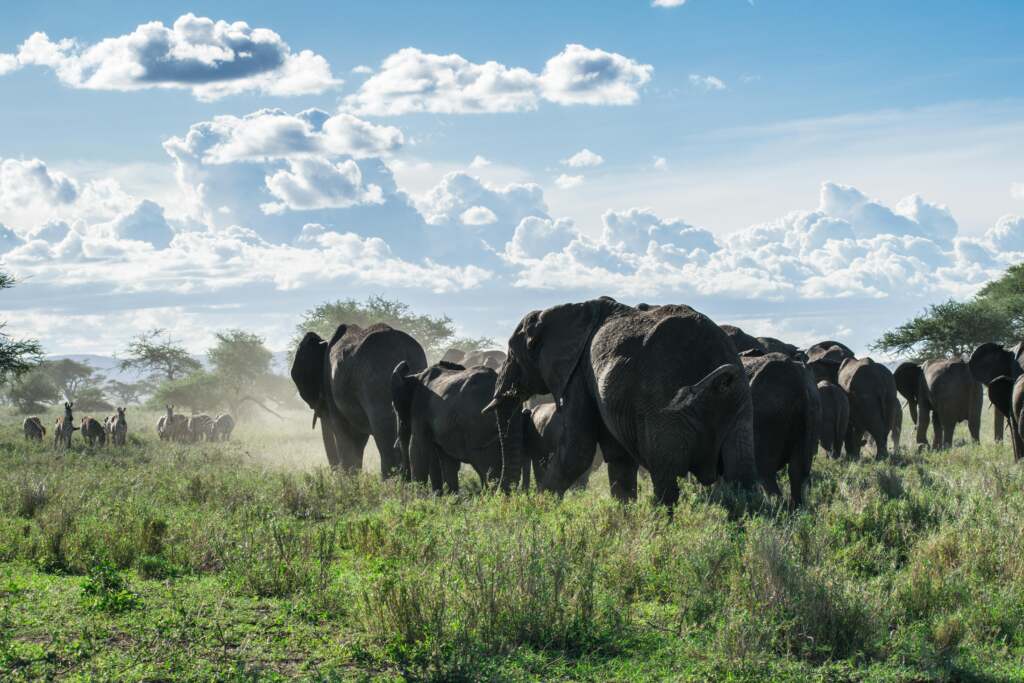
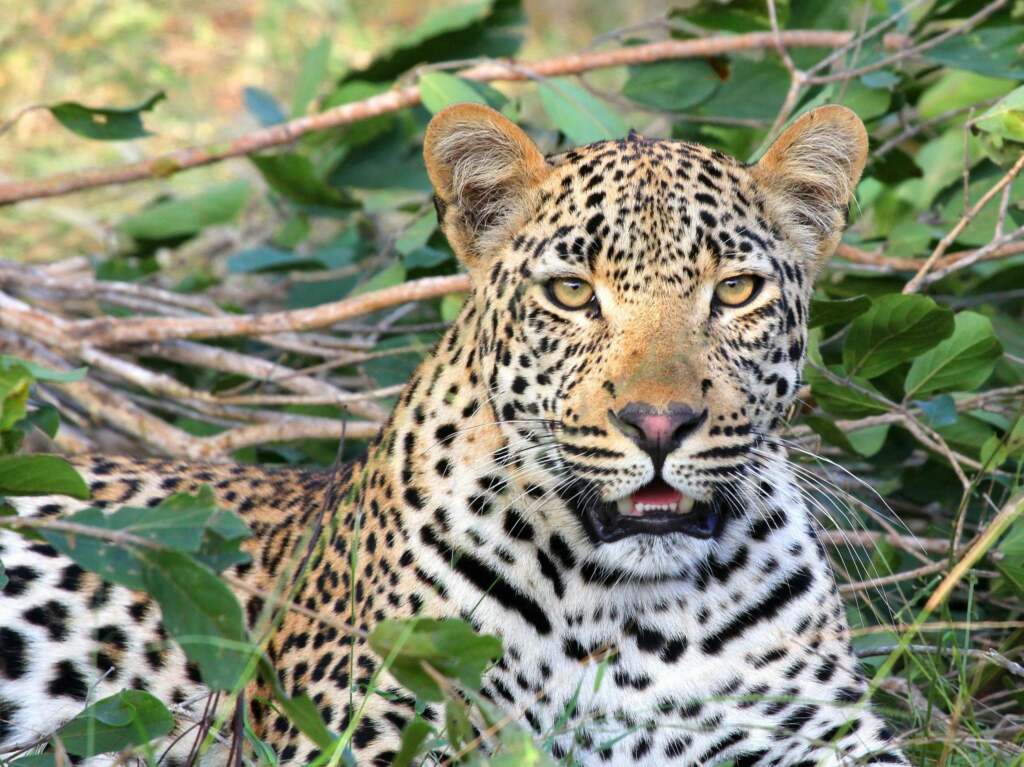
- Big Five (lion, leopard, elephant, buffalo, rhino)
- Great Migration (wildebeest & zebra)
- Cheetahs, hyenas, crocodiles
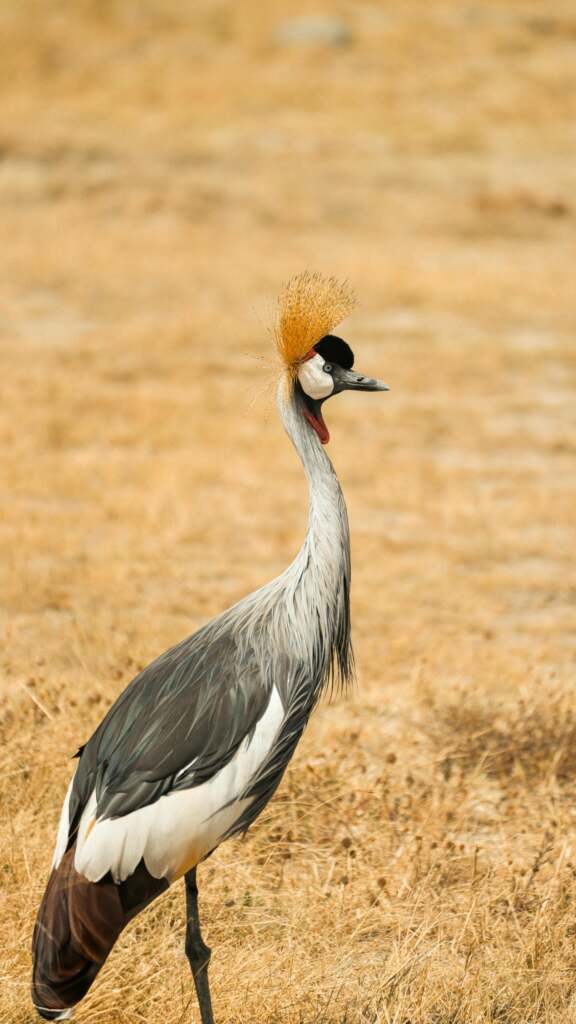
- Rich birdlife
Weather & Climate
- Warm year-round: 20°C – 30°C
- Dry season: June – October
- Wet season: November – May
Best Time to Visit
- June – October: Best for general wildlife
- January – February: Calving season
- July – September: River crossings
Top Activities
- Game drives
- Hot air balloon safaris
- Migration tracking
Why Visit
- World’s greatest wildlife spectacle
- High predator density
- Classic African safari landscapes